
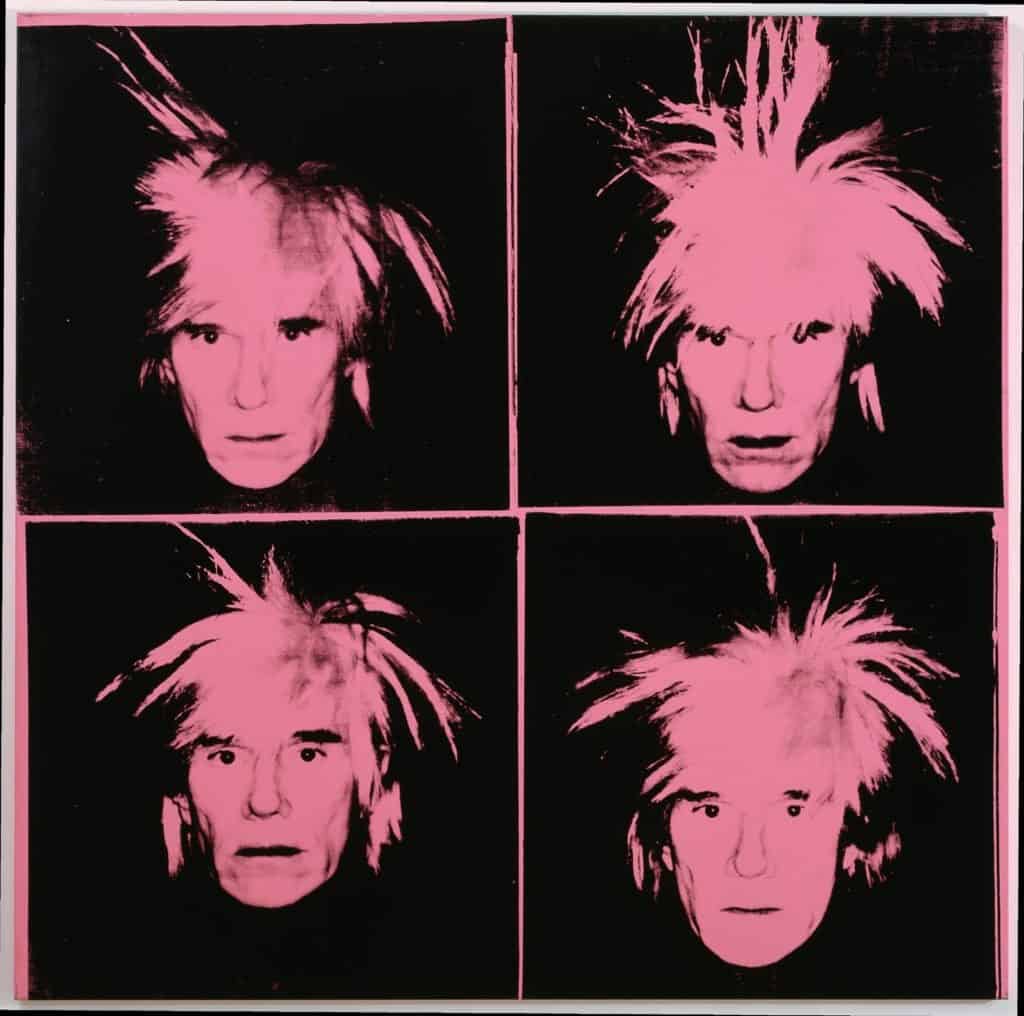
Walk into any major gallery and you’ll hear it - half-joking, half-dismissive: "I could do that." A line whispered at a Rothko, scoffed at a Pollock. Some roll their eyes at a Warhol - a can of soup? Really? It’s become a reflex. But here’s the paradox: If you could do it, why didn’t you?
The difference isn’t taste. It’s action.
Imitation is Not Creation
The modern art paradox lives in this tension between admiration and dismissal. Between believing we could do something - & choosing not to. We don’t hate the art. We hate that someone had the audacity to try. To show up, to put their name on the wall, to risk being called a fraud.
We confuse potential with practice. We think because we understand the simplicity, we understand the struggle.
Carl Jung said it best: "You are what you do, not what you say you’ll do."
So basically - you’re not what you say you could do. You’re what you do.
The Canvas Carries the Weight
To create publicly is to enter the coliseum. You build something, put it up on the wall, and wait for the stones. “I could’ve done that,” they say. But they didn’t. And they won’t.
Andy Warhol once said, *"Don't think about making art, just get it done. Let everyone else decide if it's good or bad... While they are deciding, make even more art." *
The same guy who once went through creative block - & was told to 'paint what he loves'. So he painted money & now those dollar signs are synonymous with Warhol.
Most people never get to the doing. The canvas, the stage, the launch button—that’s the separator. The rest is noise.
Context is Everything
I used to criticise Rothko. What’s a coloured block on canvas supposed to mean? Until someone explained that at the time, the art world was drowning in realism - precision, detail, ornate flourishes. Rothko stripped it all away. That was the rebellion.
He zigged while everyone zagged.
Understanding context is everything. Warhol’s soup cans weren’t just graphic design - they were commentary. A middle finger wrapped in Americana.
The Beauty is in the Struggle
We glamorise success. We disregard the 10 years of basement gigs, empty rooms, and ignored posts. But that’s where it all happens. That’s where reputation is built. Where skill sharpens.
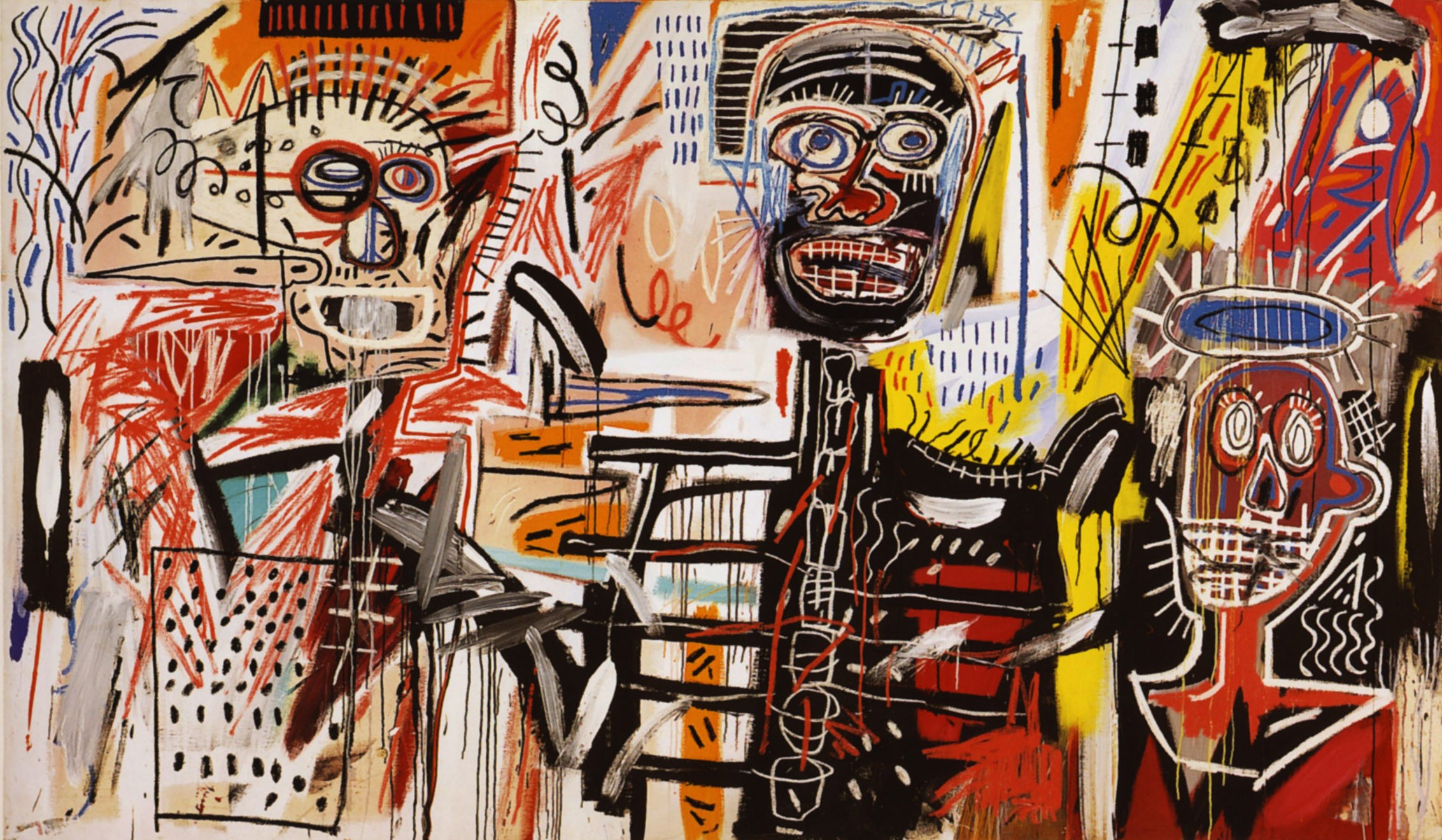
Basquiat said, "I like kids' work more than work by real artists any day." Because kids don’t edit themselves. They just make. They haven’t yet learned to fear the audience.
The beauty is in the early days. In the doubt. In the persistence. The slog is sacred.
The Spectrum of Response
There are four kinds of people:
The Originals - those who create.
The Actors - who mimic and copy.
The Admirers - who watch and applaud.
The Dismissers - who scoff and do nothing.
The goal isn’t to be understood by everyone. A Warhol is worth millions because someone sees the value. Not everyone has to. You will find your people. But you won’t find them if you never show them who you are.
Marketing, Art & the Middle Finger
Advertising is art with a purpose to sell - & consequences. It asks for attention and dares to keep it. Glen O’Brien said it best: “What’s the difference between art and advertising? The logo.”
The principle holds: you shouldn’t create to please everyone. If you try to be for everyone, you'll end up meaning nothing. Originality won’t always be understood, but when it lands, it lands deep.
Reputation comes from staying the course - not chasing applause. When you dilute the work to please the crowd, you lose what made it yours. Mass appeal is a slow death. Speak clearly to the ones who get it.
Make something someone will care about - not something no one can hate. That’s how communities start. That’s how brands grow.
Final Thought
“Ideas are like fish,” David Lynch once said. “If you want to catch the big ones, you’ve got to go deeper.”
Creating is deep water. It’s scary. It’s exposed. But that’s where the good stuff lives. Not on the surface. Not in theory. Not in the imaginary projects you never started.
The paradox isn’t that people think they could do it. The paradox is they think saying it is the same as doing it.
& It isn’t.
Get to work. You’ll find your people, & they'll be your best customers.