
It’s almost always the first thing to go. When money’s tight, when sales are slow, when stress is mounting - small businesses cut marketing.
Rory Sutherland said it plainly: "When small businesses cut costs, the first thing they cut is marketing. And that’s exactly what they shouldn’t do." He’s right. Because when a business can no longer spend to acquire a customer - it’s already dead.
A Personal Lesson
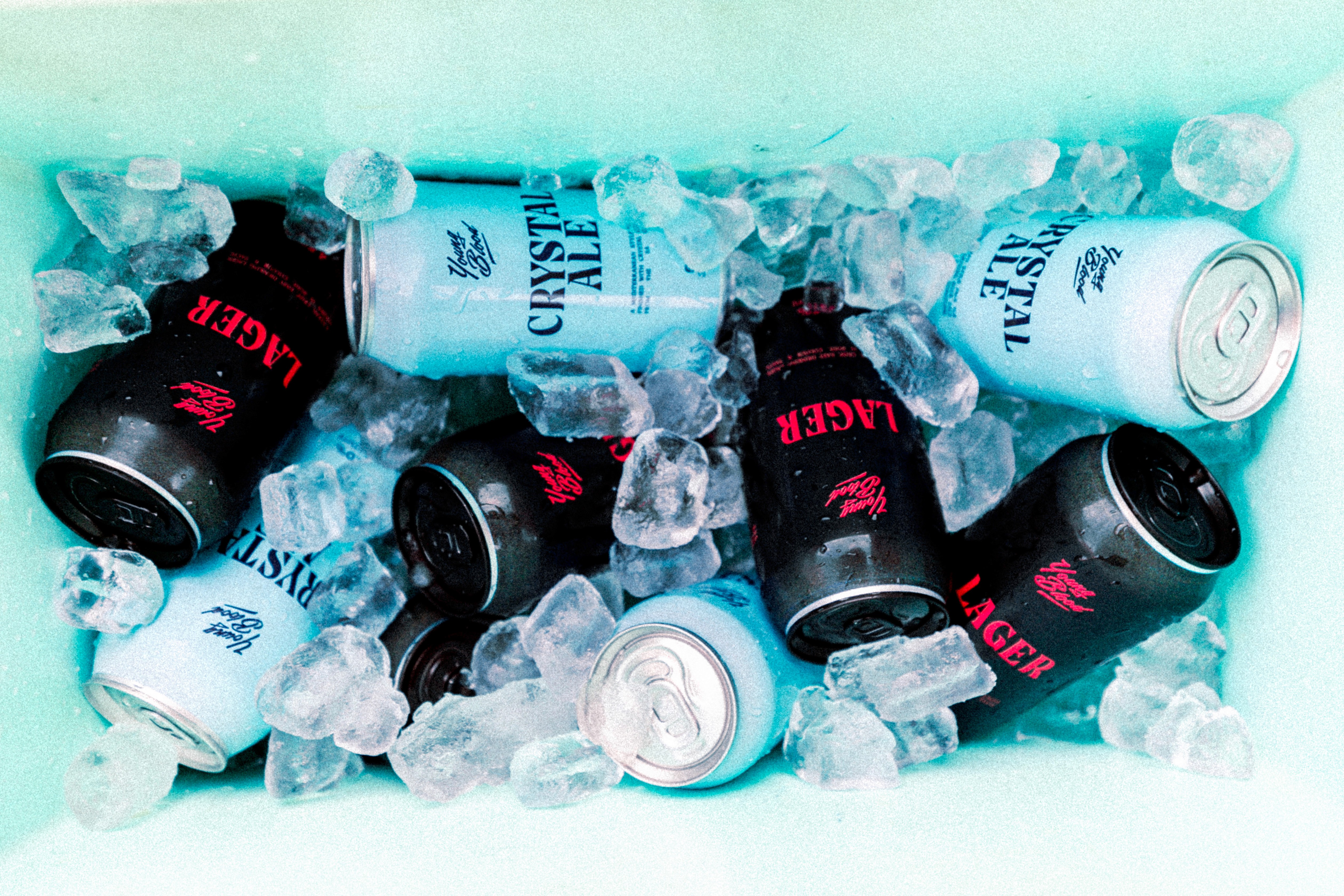
I’ve lived this - I get it. From 2018 to 2024 I ran a small beer company called Youngblood. We had a good brand, a good product & a loyal audience. But cashflow was constantly tight - people just don't pay invoices with urgency, it's human. And every time cashflow got worse, I pulled back on ads. I tightened the spend, often down to zero. Often for weeks at a time - even months.
And what followed? Silence. Stagnation. Sales that plateaued - or dipped completely. Because we weren’t showing up. And if you're not showing up, you're not in the game. Every cold call was ice cold, we hadn't warmed our targets up at all.
We thought we were saving money. What we were really doing was stunting growth.
The Illusion of "Free"
There’s a belief floating around that if your idea is good enough, it’ll go viral. That word of mouth will carry you. That if you build it, they will come.
But that’s not how it works. Not consistently. Not for most of us.
The truth is, organic social only reaches about 5-10% of people who ACTUALLY follow you. That's a small slice. All posts are also out of the feed within 24-36 hours. Short term + small audience = not much.
Yes, there are smart, low-cost tools:
Klaviyo flows that sell in your sleep
Organic content that compounds over time
Email lists, community, storytelling
But even those things take time. And time is still a cost. It’s not free. If you think you're different, the numbers would say unfortunately you're not.
What Marketing Really Is
Marketing isn’t fluff. It’s not decoration. It’s not what you do once the real work is done.
Marketing is the work.
It’s the bridge between the thing you made and the person it’s made for. It’s the attention engine. The awareness builder. The thing that turns curiosity into a click, and a click into a sale.
If websites, Google, and SEO help people find you when they’re looking - then advertising is how you find people when they’re not.
And right now, with platforms like Meta and TikTok, you can still punch well above your weight if you know how to target, test, and iterate.
Touchpoints: Why Repetition Matters
The data is clear: people rarely buy from the first thing they see.
Google and other marketing sources suggest that it takes 7 to 13+ touchpoints before a customer makes a decision. Warm inbound leads might take 5–12, while cold prospects could need 20–50.
Touchpoints aren’t just ads. They’re emails, social media posts, testimonials, case studies, website visits, reviews. Each one adds weight. Each one builds trust.
If you’re not creating enough of them, someone else is.
A Better Way
If you’re running a small business, here’s the truth:
You don’t need a million-dollar budget.
You do need to invest in showing up.
Start small. Spend smart. Keep it on.
Build automated systems. Create once, repurpose often. Set & forget.
Don’t be afraid to sell. Selling is helping—if you believe in what you’re doing. Gas your product because you simply cannot rely on others exclusively.
Final Thought
To quote George Lois: "If you're not passionate enough from the start, you'll never stick it out."
Marketing is proof of that passion. It’s the act of caring loudly.
Cutting it might save you money short-term. But long-term, it’s like pulling the roots out of your own garden and wondering why nothing grows.
Don’t vanish. Don’t whisper. Don’t play small.
Speak. Show up. Sell well.